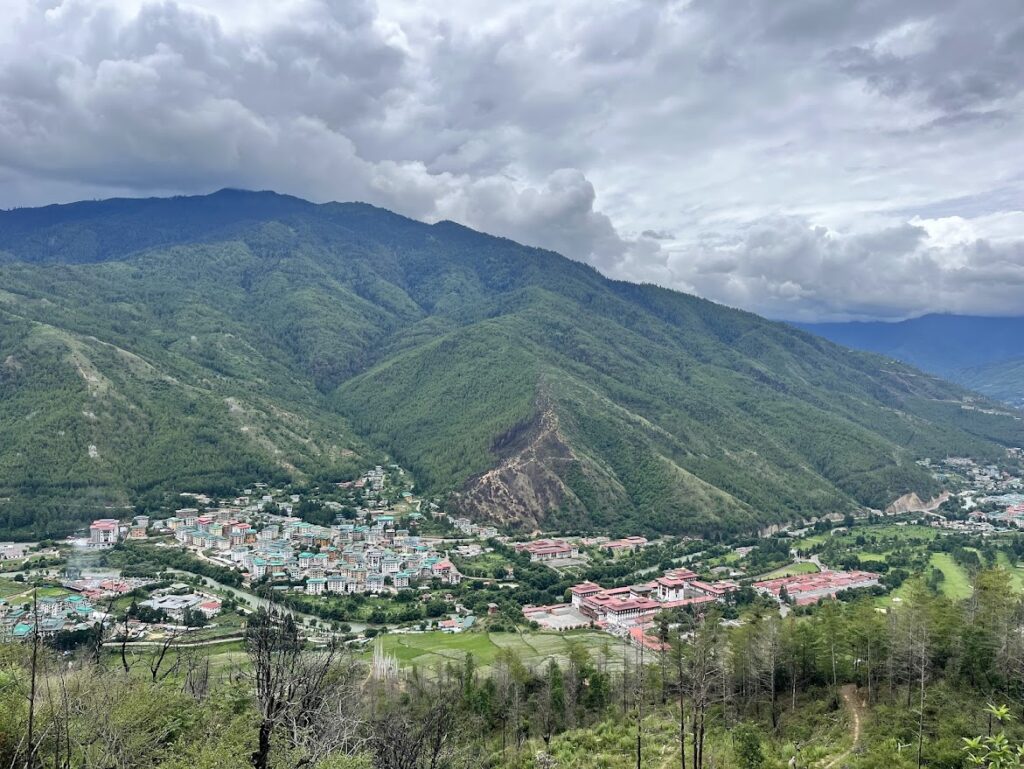
UNCOVER THE WONDERS OF THE NATION’S CAPITAL.

The Buddha Dordenma is a massive golden statue overlooking Thimphu Valley, symbolizing peace, happiness, and the spread of Buddhist teachings. Surrounded by scenic hills and thousands of smaller Buddha statues, it is both a spiritual site and a popular tourist attraction.


The statue symbolizes peace, harmony, and the fulfillment of prophecies, attracting pilgrims and tourists alike who come to experience its serene atmosphere, stunning architecture, and the surrounding lush landscapes. It is also a center for meditation and cultural events, reflecting Bhutan’s deep-rooted Buddhist heritage.

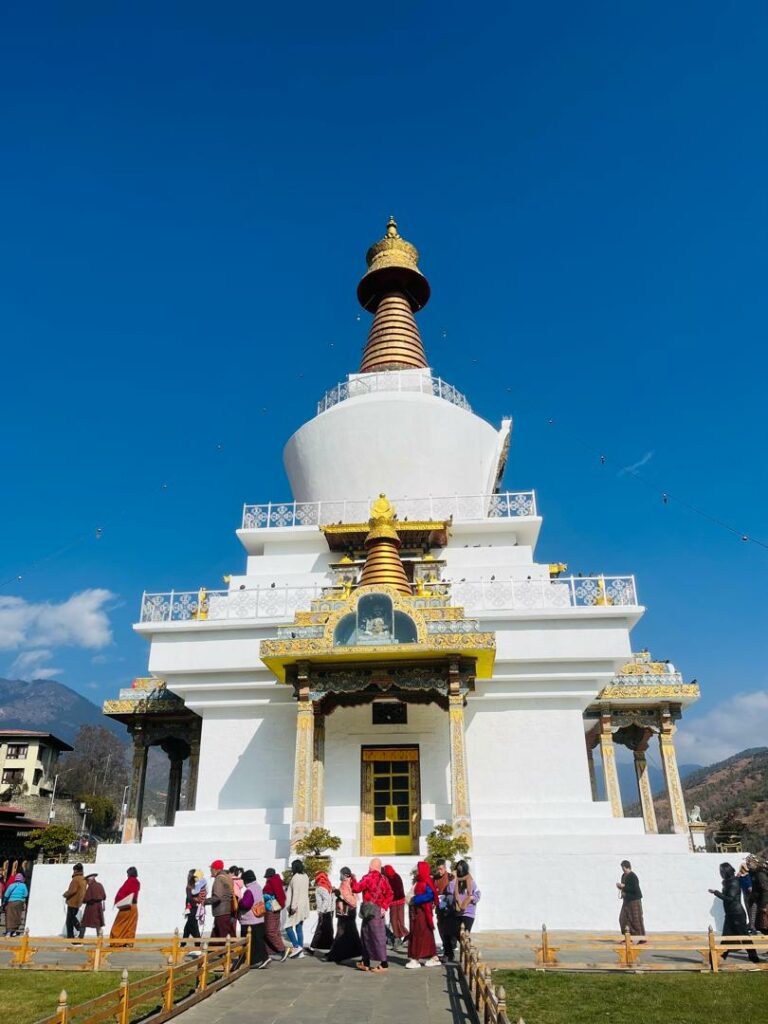
The National Memorial Chorten is a prominent landmark inThimphu, built to honor Bhutan’s third king, Jigme Dorji Wangchuck. It is a center for daily religious practice, where locals perform prayers, circumambulate the chorten, and spin prayer wheels. The white structure, adorned with golden spires and intricate Buddhist symbols, reflects Bhutan’s deep spiritual heritage and offers visitors a serene place for reflection and cultural insight.

The statue symbolizes peace, harmony, and the fulfillment of prophecies, attracting pilgrims and tourists alike who come to experience its serene atmosphere, stunning architecture, and the surrounding lush landscapes. It is also a center for meditation and cultural events, reflecting Bhutan’s deep-rooted Buddhist heritage.

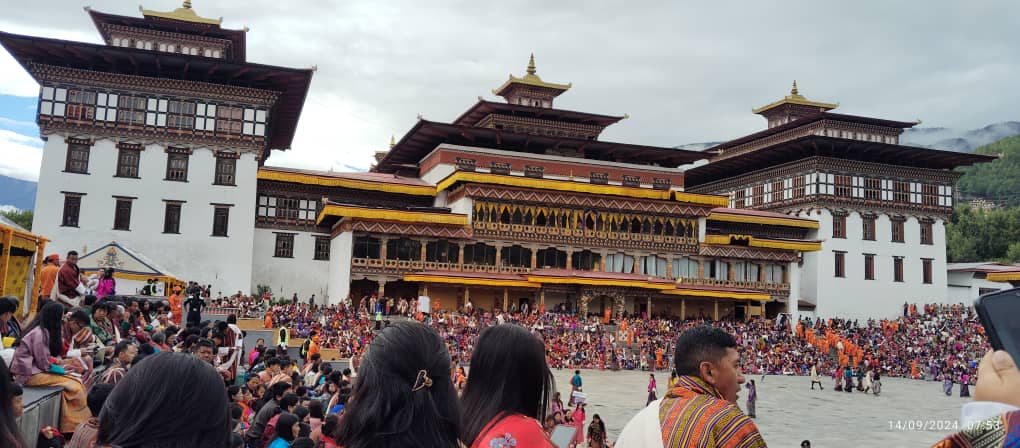
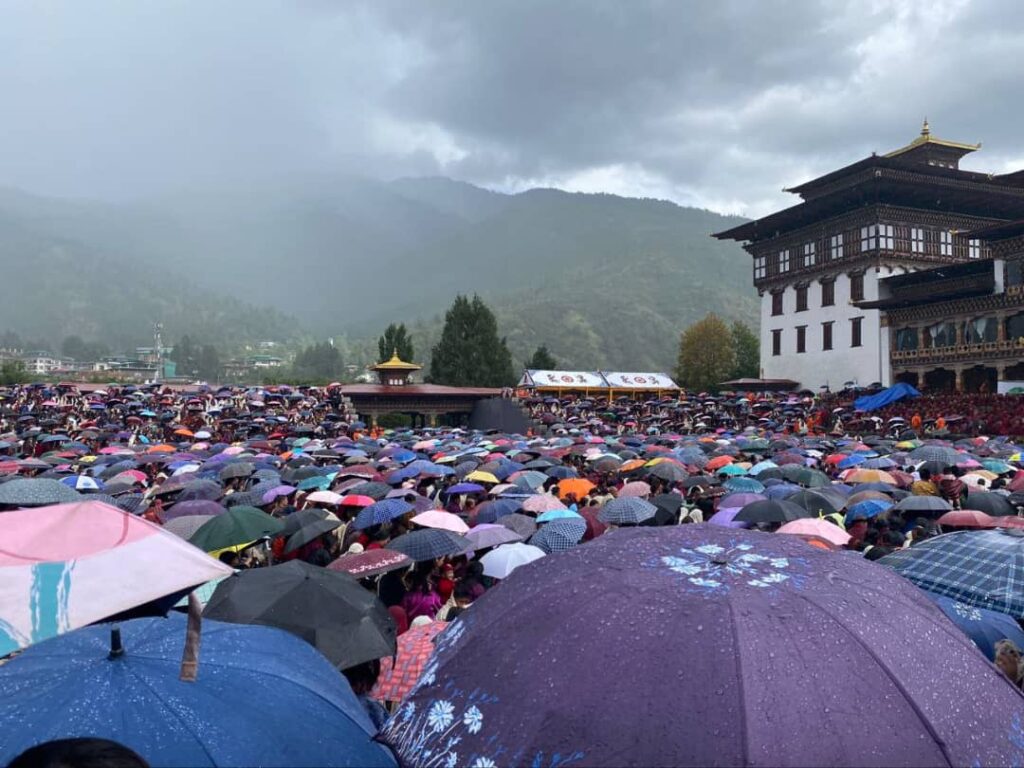
Thimphu Tshechu is one of Bhutan’s most vibrant and popular festivals, held annually in the capital. It features colorful masked dances, traditional music, and elaborate costumes, performed in honor of Guru Rinpoche, the saint who brought Buddhism to Bhutan.

 Monks and lay performers enact sacred masked dances (Cham), depicting stories of Bhutanese history, morality, and Buddhist teachings. The festival is decorated with colorful prayer flags and banners, creating a vibrant atmosphere. Devotees circumambulate the dzong, spin prayer wheels, and receive blessings from sacred relics. For tourists, it offers a unique opportunity to witness Bhutanese traditions, artistry, and community life, making it one of the most memorable cultural experiences in the country.

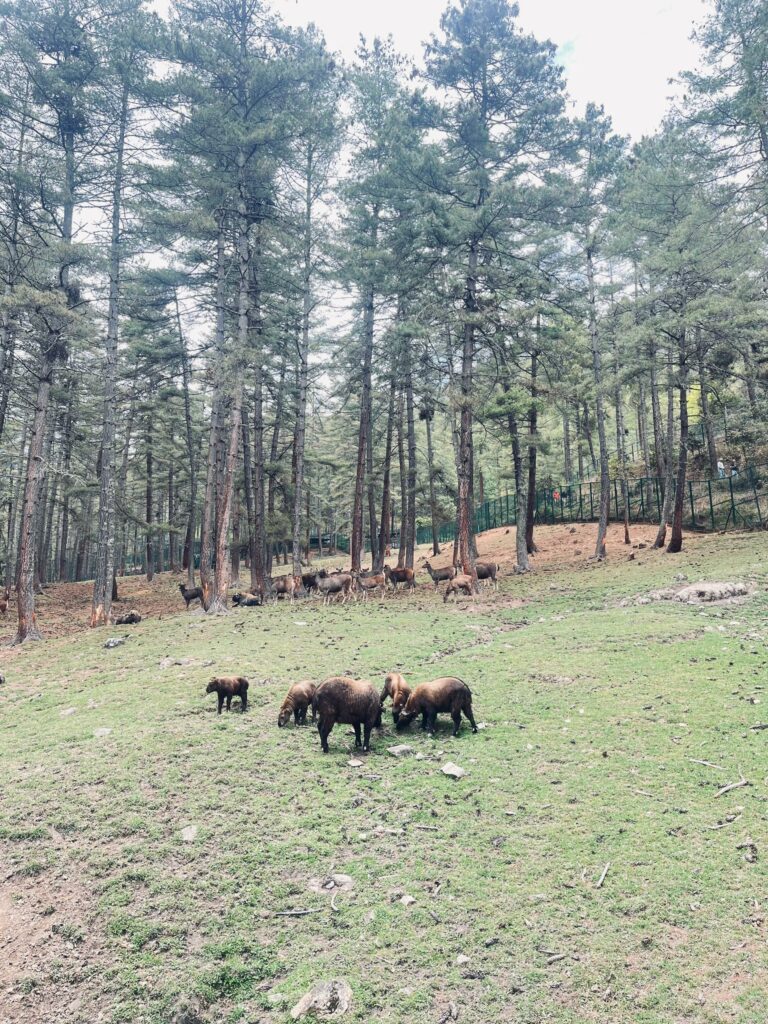
Nestled on the hills of Motithang in Thimphu, the Motithang Takin Preserve is a must-visit for wildlife enthusiasts. Established in 1975 by the Third King of Bhutan, the sanctuary protects the takin, 


Bhutan’s national animal, a rare and fascinating creature found mainly in the country’s forests. Visitors can observe these unique animals in a natural, semi-enclosed habitat while learning about Bhutan’s commitment to wildlife conservation. Easily accessible from the city center, the preserve offers an educational and memorable experience for tourists of all ages.

Changgyel Park, located in the heart of Thimphu, Bhutan, is a peaceful green space that offers a welcome break from the city’s busy streets. Surrounded by trees and open lawns, it provides a refreshing environment where families, friends, and visitors can gather to relax, walk, or enjoy the fresh air. Its central location makes it easily accessible, and the park’s simplicity reflects Bhutan’s emphasis on harmony between people and nature.

In the evenings, the park comes alive with locals taking strolls, children playing, and groups of people socializing. The scenic views of nearby hills add to its charm, making it a pleasant place for both leisure and quiet reflection. More than just a recreational area, Changgyel Park is a small but meaningful reminder of the value of open spaces in Bhutan’s capital city.

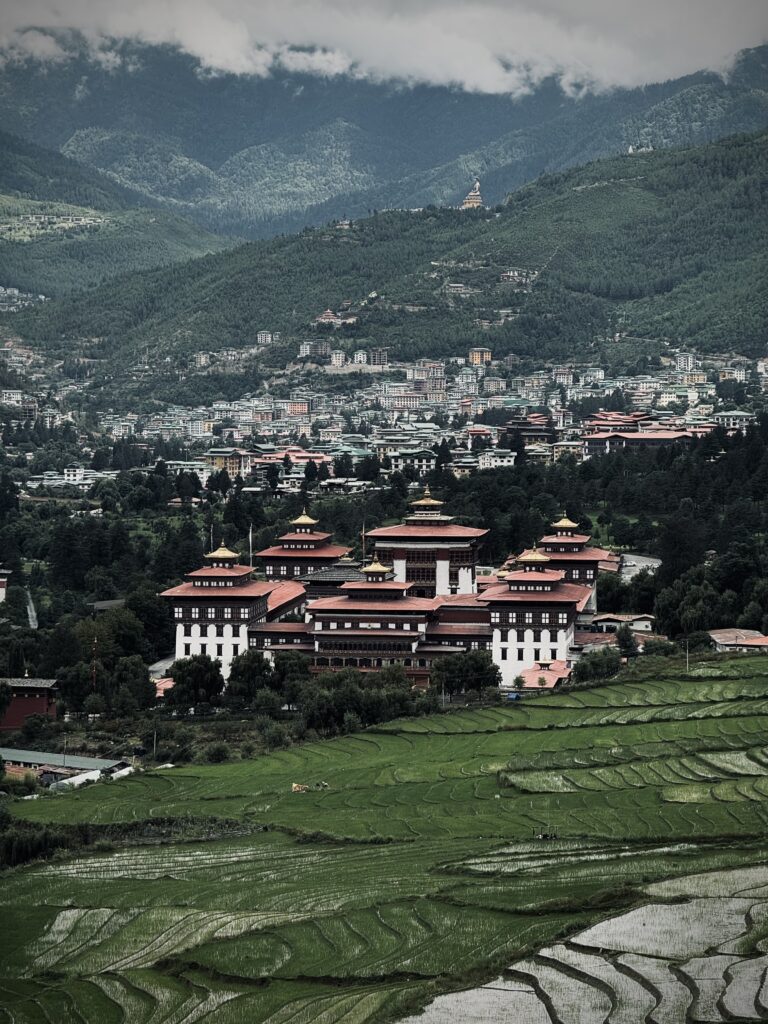
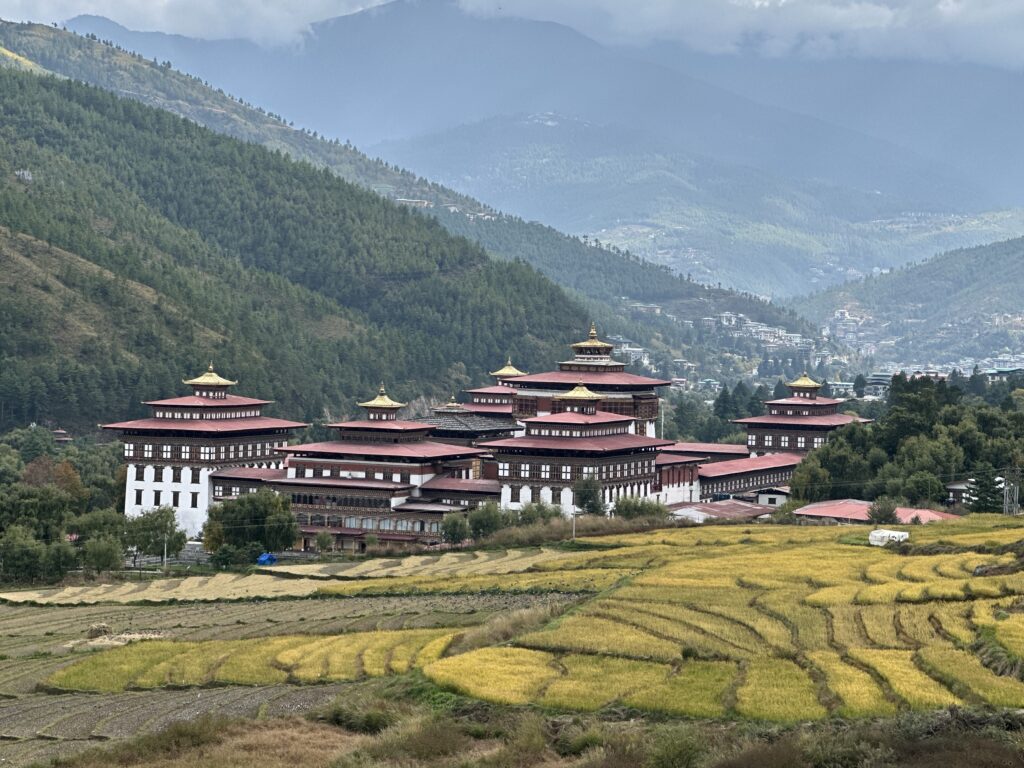
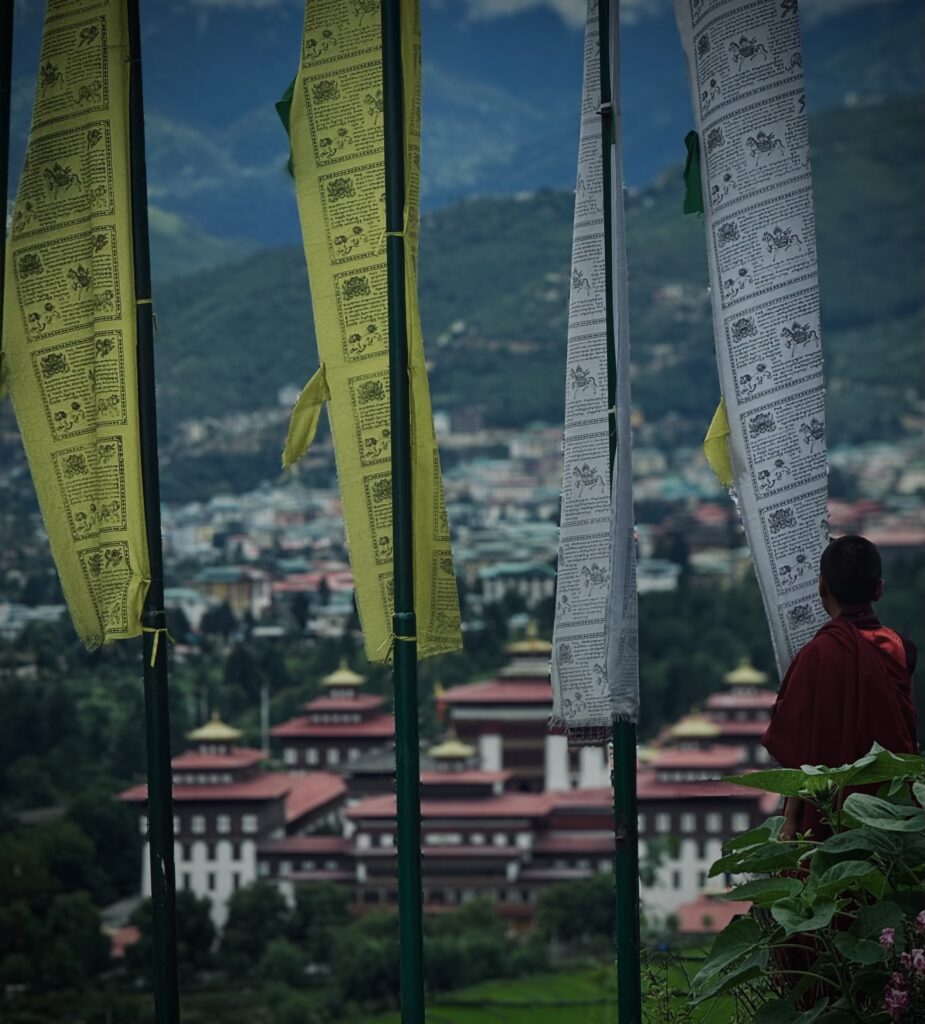
Tashichho Dzong is Thimphu’s landmark fortress-monastery, set beside the Wang Chhu river with terraced lawns and whitewashed walls crowned by golden roofs. From the riverside and nearby viewpoints you get a sweeping panorama of the dzong against forested hills—especially beautiful at dusk when the lights come on and the buildings glow. It’s a great spot to pause after exploring the city and to appreciate Bhutanese architecture and the calm of the valley.

For the best experience, come around golden hour (late afternoon to sunset) when the light is soft and reflections shimmer on the river. Dress modestly if you plan to enter the courtyard, and be respectful around monks and office areas; photography rules can vary. Opening times change with the season and events such as Thimphu Tshechu, so check locally on the day. Bring a light jacket—Thimphu evenings can be cool—and a wide-angle lens or phone in panorama mode to capture the full view.