GO BEYOND AND DISCOVER MORE
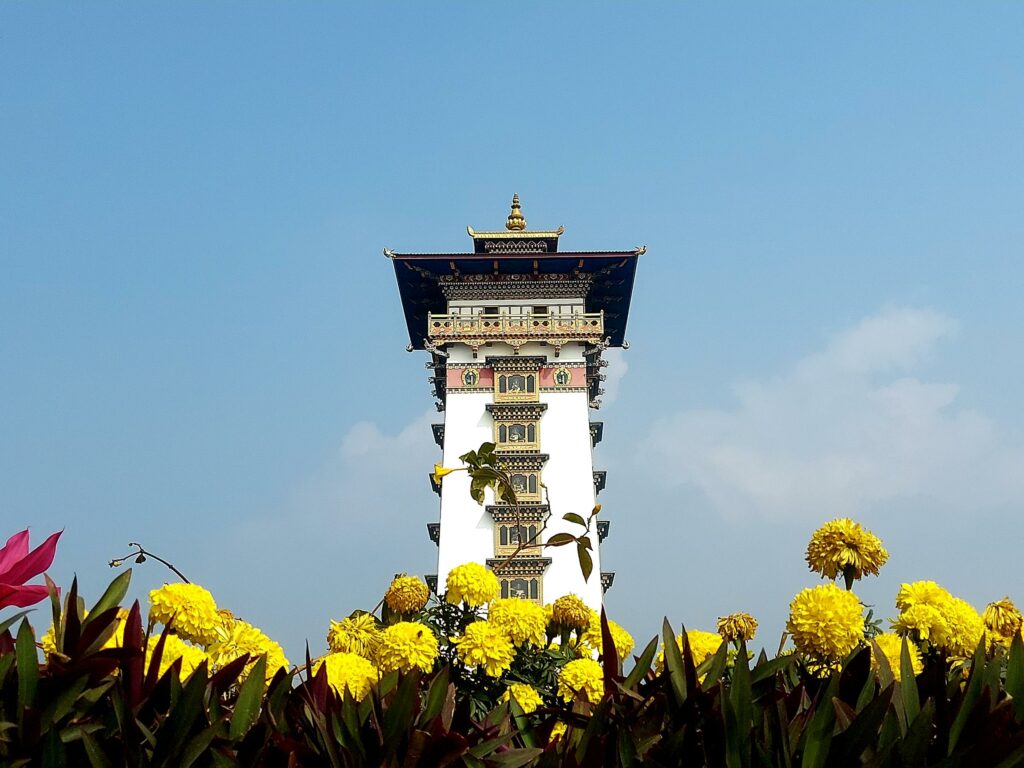
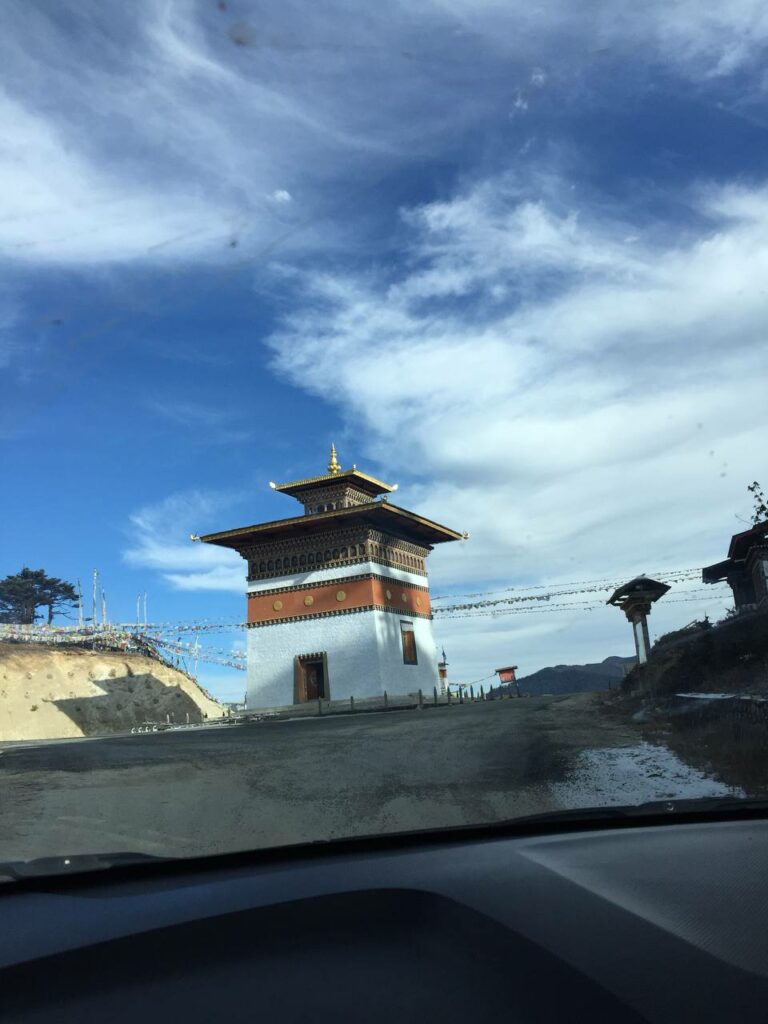
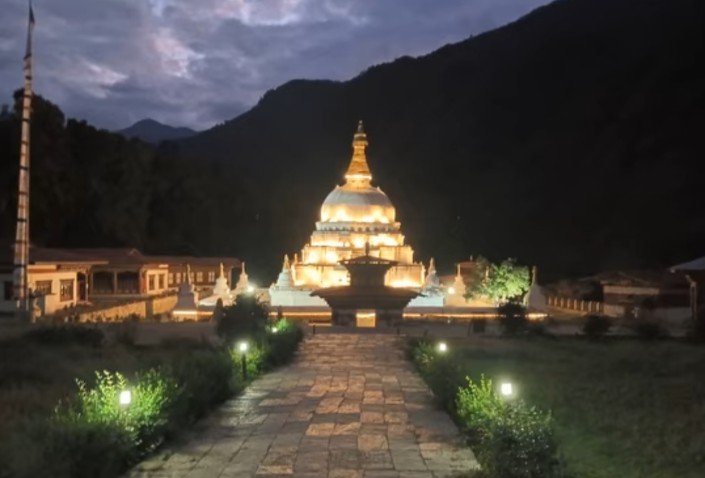
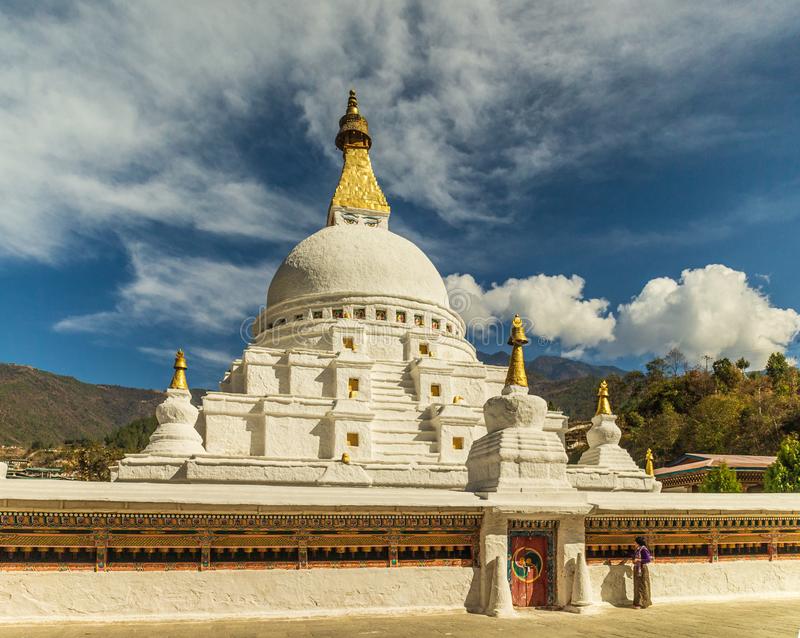
Chorten Kora, located in Trashiyangtse in eastern Bhutan, is one of the most important Buddhist monuments in the region. Built in 1740 by Lama Ngawang Loday, the nephew of Zhabdrung Ngawang Namgyal, the stupa was constructed in memory of a young girl from Tawang in Arunachal Pradesh, who is said to have sacrificed herself to be enshrined within. Its architecture is modeled after the famous Boudhanath Stupa in Nepal, making it both a religious and cultural treasure.
Every spring, Chorten Kora becomes the center of the Chorten Kora Festival, attracting devotees from Bhutan and neighboring Arunachal Pradesh. Pilgrims walk around the stupa in prayer, celebrating faith, compassion, and unity. The stupa is not only a place of worship but also a symbol of Bhutan’s deep spiritual traditions, set against the serene backdrop of the Kulong Chhu river valley.
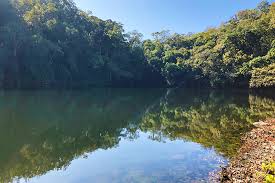
Hidden in the serene village of Buli in Zhemgang Dzongkhag, Buli Tsho is a sacred lake steeped in legend and spirituality. Locals believe the lake is home to protective deities, and offerings are made here to seek blessings for peace, prosperity, and harmony. Its mystical aura and cultural significance make it an important pilgrimage site for Bhutanese people.
Beyond its spiritual charm, Buli Tsho captivates visitors with its natural beauty. The lake’s calm waters reflect the surrounding forests and rolling hills, creating a tranquil escape into nature. For travelers seeking a peaceful retreat, Buli Tsho offers an authentic experience of Bhutan’s untouched landscapes and timeless traditions, far from the busy tourist routes.
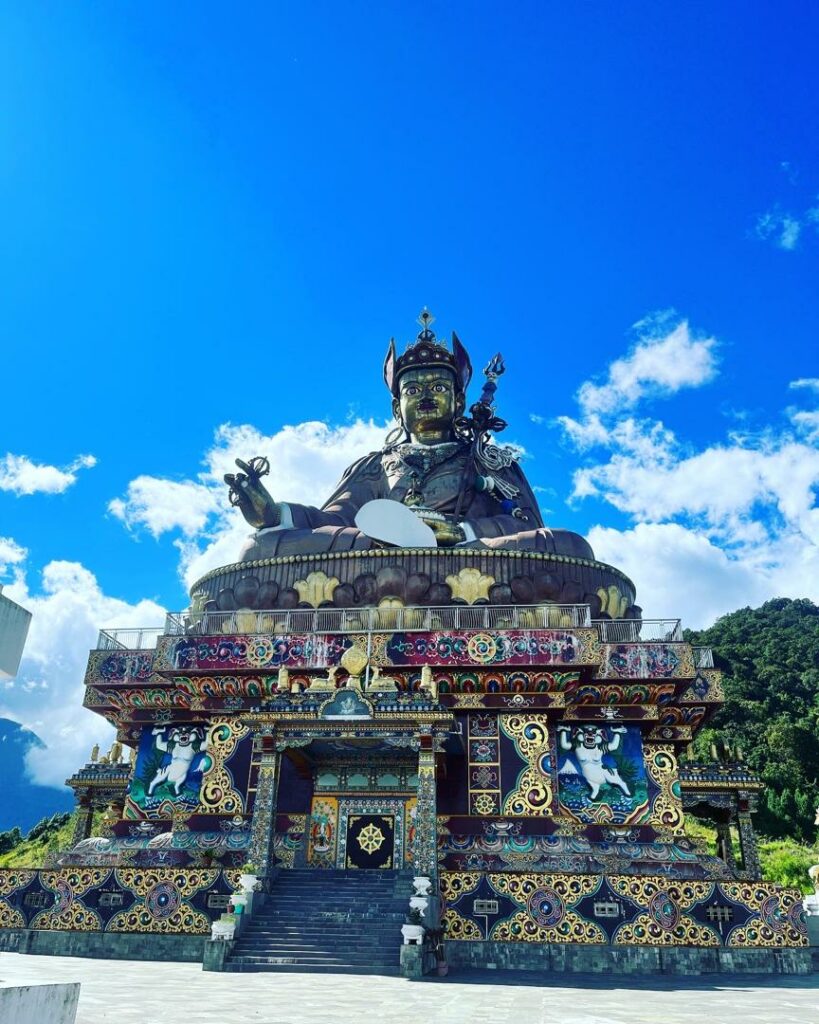
Takila, located in Bhutan’s remote Lhuentse district, is renowned for its colossal statue of Guru Padmasambhava (Guru Rinpoche). Standing at 173 feet, it is one of the tallest statues of its kind in the world, depicting Guru Rinpoche in his form as Guru Nangsi Zilnoen, the protector who removes obstacles. Built to fulfill an ancient prophecy, the statue was completed in 2015 and has since become a revered pilgrimage site for Bhutanese and visitors alike.
Beyond its spiritual significance, Takila offers stunning panoramic views of the surrounding valleys, mountains, and villages. The tranquil hilltop setting, adorned with colorful prayer flags and blessed with a peaceful atmosphere, makes it an ideal place for reflection and devotion. Today, Takila stands not only as a religious landmark but also as a cultural symbol of Bhutan’s enduring Buddhist faith and artistry.
Trongsa Ta Dzong, also known as the Tower of Trongsa, is a historic watchtower overlooking the majestic Trongsa Dzong and the deep Mangde Chhu valley. Built in 1652 to guard the fortress against internal and external threats, the Ta Dzong stands as a symbol of Bhutan’s strategic defense system and its rich history. Its circular, five-story structure with massive stone walls and narrow windows reflects the strength and resilience of traditional Bhutanese architecture.
Today, the Ta Dzong has been beautifully restored and converted into a fascinating museum. Inside, visitors can explore galleries showcasing rare artifacts of Bhutanese kings, treasured Buddhist relics, ancient manuscripts, and sacred statues, including a revered image of Maitreya (the Future Buddha). The museum also highlights the close ties between Trongsa and Bhutan’s monarchy, making it an essential stop for travelers interested in the nation’s cultural and royal heritage.
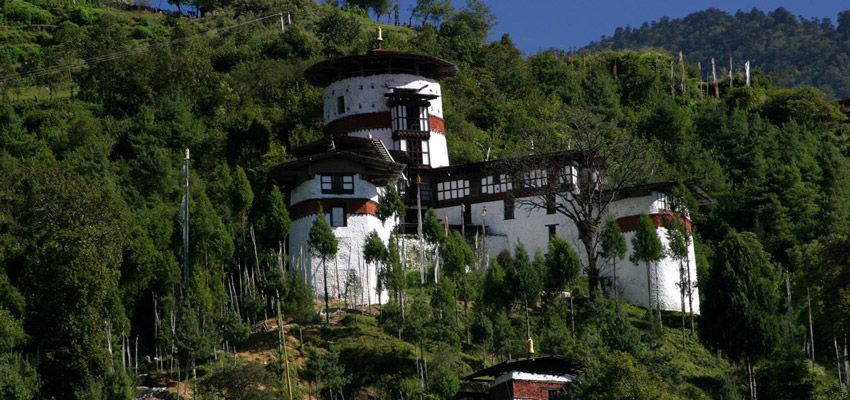
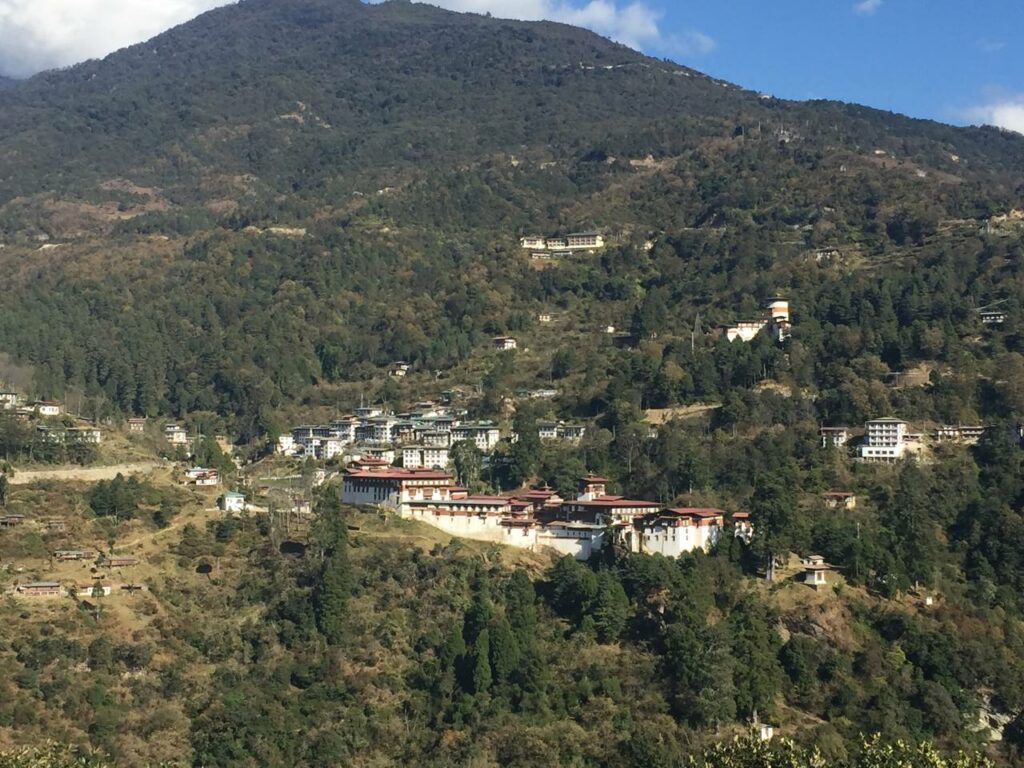
Trongsa Dzong, the largest fortress in Bhutan, sits majestically on a ridge overlooking the Mangde Chhu valley. Built in 1648, it played a vital role in unifying the country and remains closely linked to the monarchy, as every king traditionally served as Trongsa Penlop before taking the throne. With its grand temples, courtyards, and sweeping views, the dzong is both a spiritual center and an architectural masterpiece that reflects Bhutan’s rich heritage.
Merak lies at an altitude of over 3,500 meters and is one of the most isolated settlements in Bhutan. The people of Merak, called the Brokpas, are traditionally yak herders, and their livelihood revolves around yak rearing, dairy production, and wool weaving. The villagers wear distinctive attire made of yak hair and wool, including thick coats, boots, and unique red woolen hats shaped like horns. Merak is also rich in folklore and spiritual beliefs, with sacred sites, traditional festivals, and rituals deeply tied to nature and local deities.
Sakteng, located further east, shares a similar lifestyle and cultural identity with Merak but has its own unique charm. It is surrounded by pristine forests, alpine meadows, and highland pastures, forming part of the Sakteng Wildlife Sanctuary—home to rare flora and fauna, including the elusive red panda. The village is famous for its untouched landscapes, vibrant Brokpa culture, and sacred festivals where locals perform traditional dances, wear animal-skin masks, and play ancient instruments.
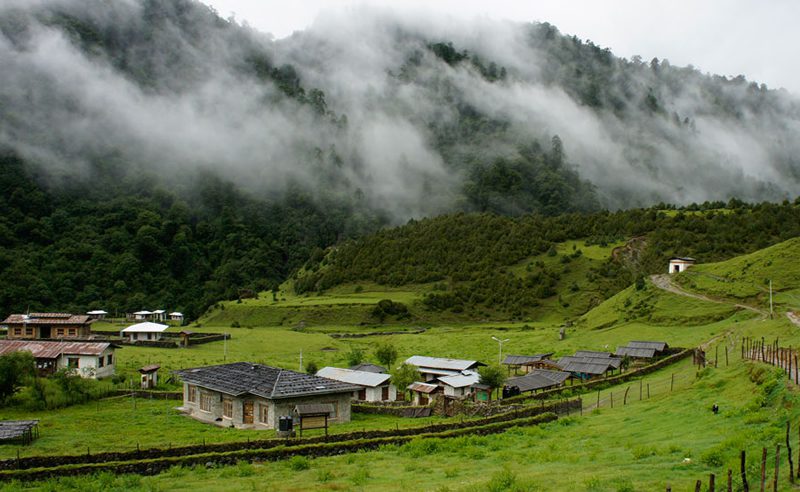
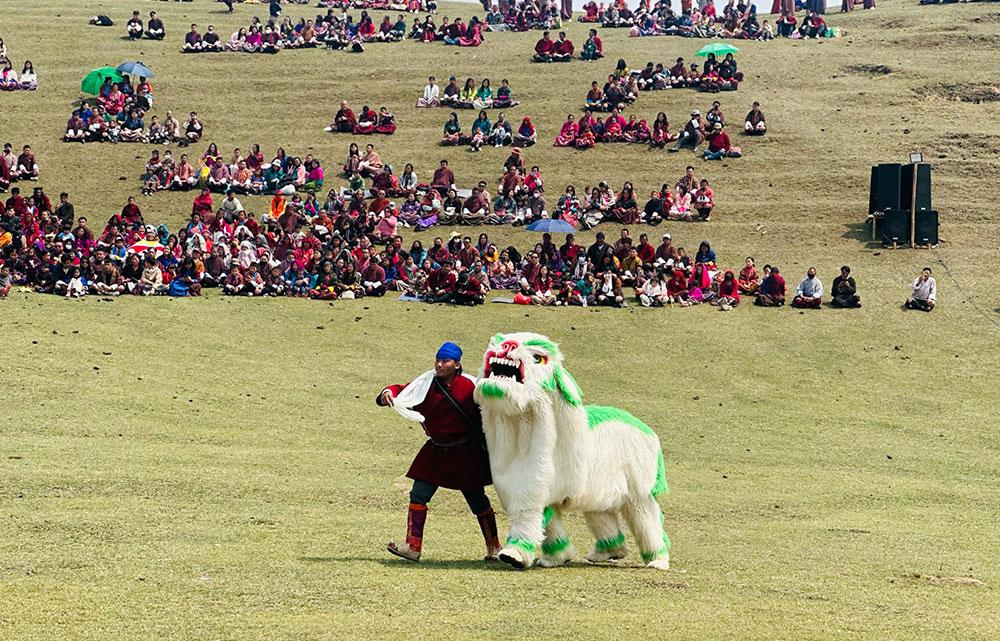
Step into the highlands of eastern Bhutan and experience the vibrant Rhododendron Festival, a unique celebration of nature and culture. Held in Merak and Sakteng villages of Trashigang, the festival takes place every spring when the hillsides burst into color with dozens of blooming rhododendron species.
The festival is more than just a showcase of flowers—it is a celebration of the Brokpa way of life, a semi-nomadic community known for their yak herding, traditional wool garments, and rich folklore. Visitors can explore pristine alpine meadows, meet the Brokpa people, and enjoy cultural performances that bring their unique heritage to life.