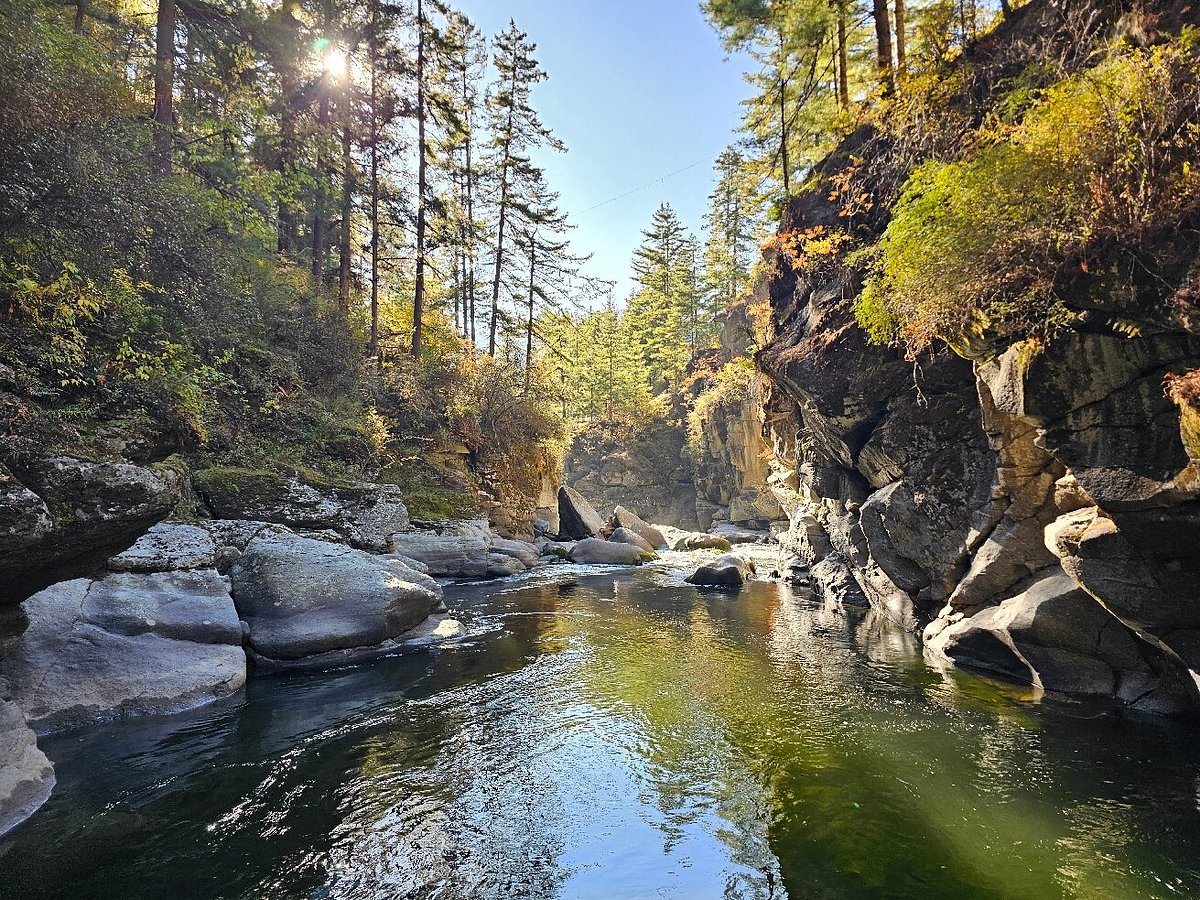
Cultural treasures of Bumthang

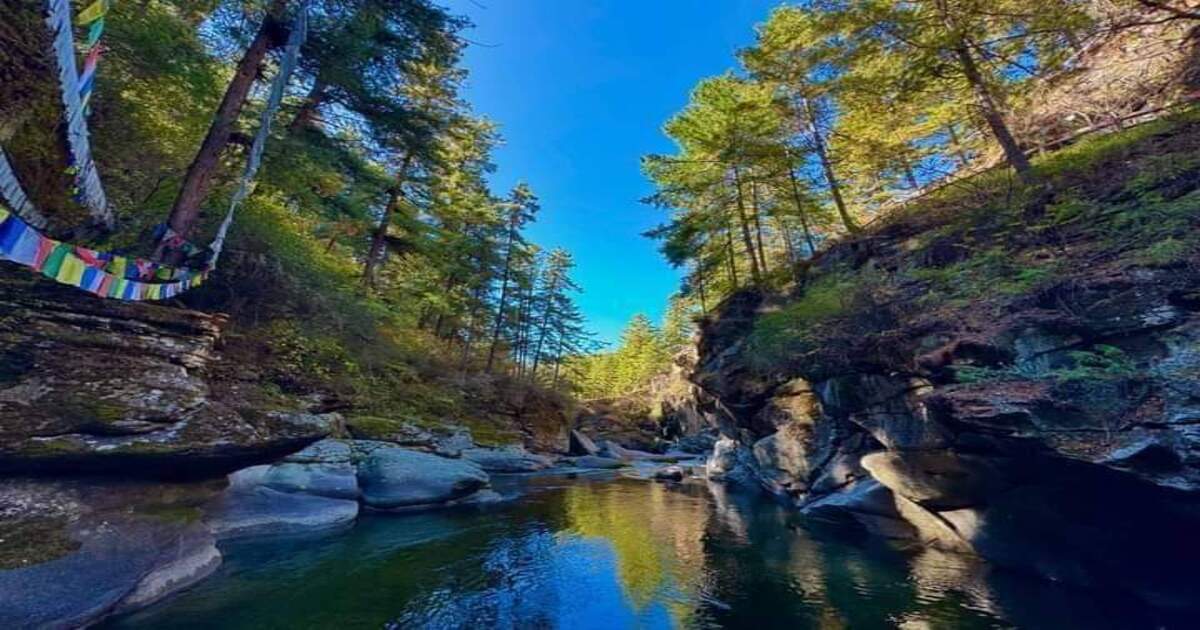
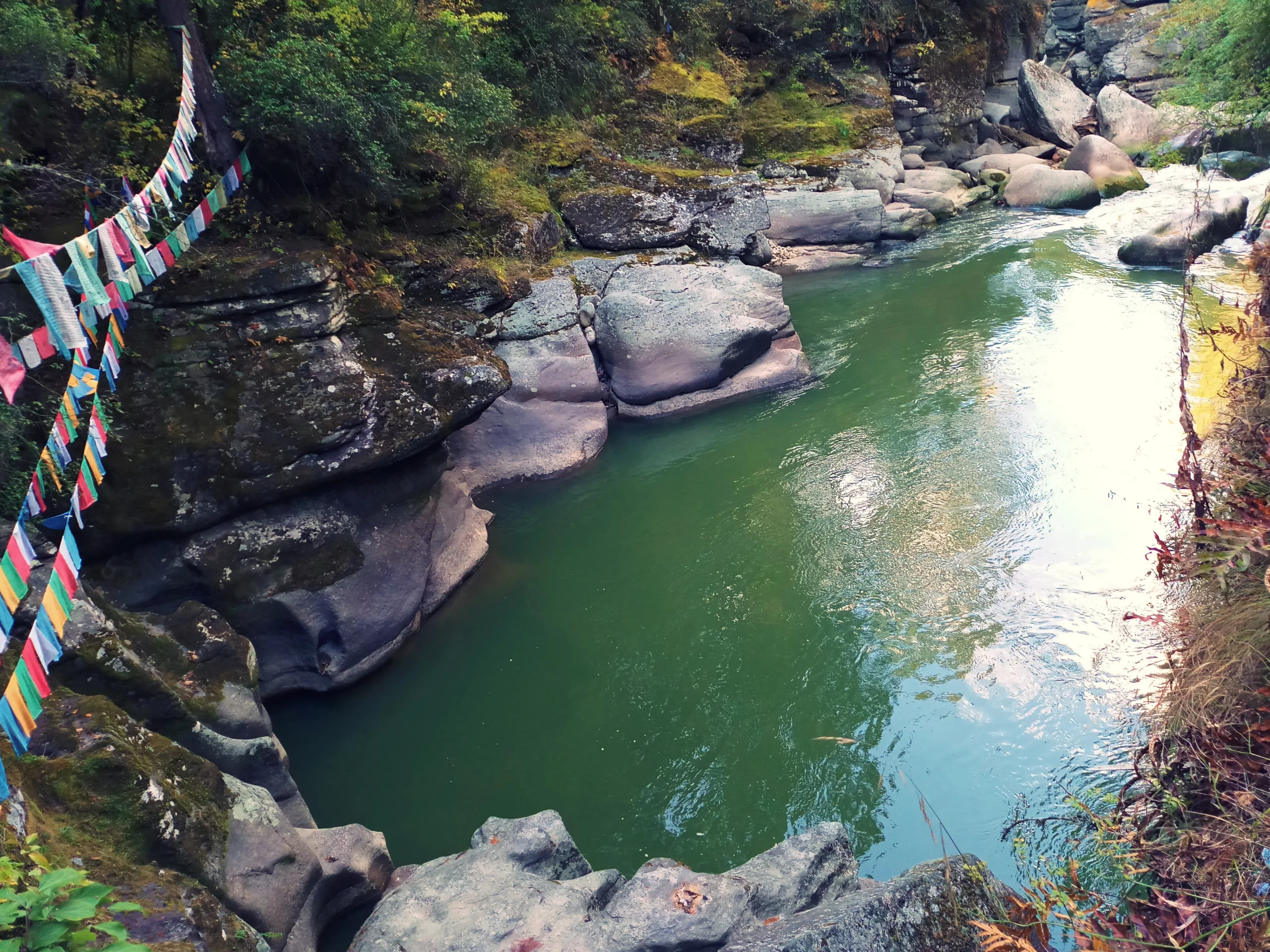
Tang Mebar Tsho, famously known as the Burning Lake, is one of the most sacred pilgrimage sites in Bhutan. Located in Tang Valley, Bumthang, the lake is associated with the revered treasure revealer Terton Pema Lingpa. In the 15th century, he is said to have dived into the lake with a burning lamp in hand to retrieve hidden Buddhist treasures. Remarkably, he emerged from the water with the lamp still alight, proving the authenticity of his spiritual powers.

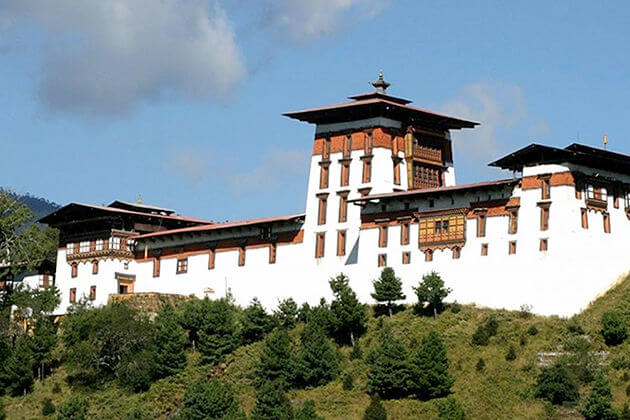
Jakar Dzong, or the Fortress of the White Bird, is one of the most striking landmarks in central Bhutan. Built in 1549 by Lam Ngagi Wangchuk, the dzong sits on a ridge overlooking the beautiful Chamkhar Valley. According to legend, the site was chosen when a white bird, seen as an auspicious sign, landed there. With its commanding presence and elegant design, Jakar Dzong has long been admired for both its architectural beauty and spiritual significance.


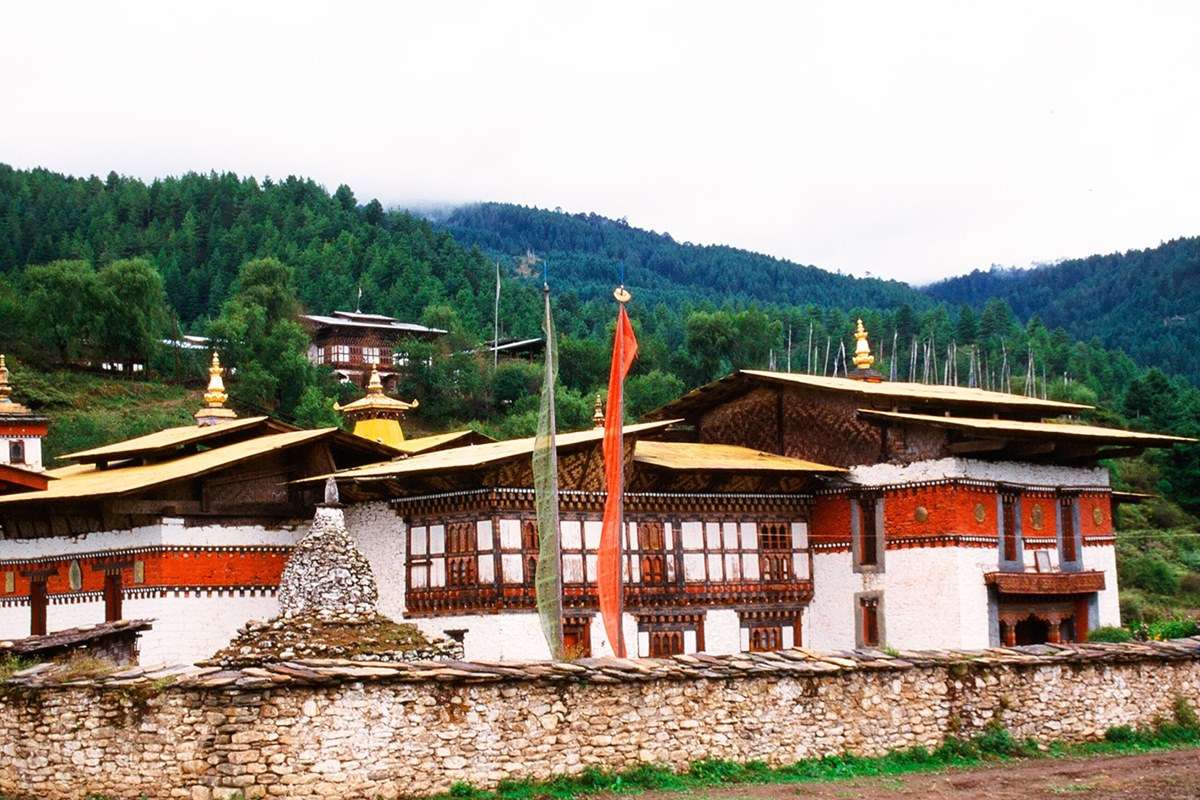
Tamzhing Lhakhang, also called Tamzhing Monastery, is one of Bumthang’s most important religious sites. Founded in the early 16th century by Terton Pema Lingpa, the great treasure revealer, it is renowned for its deep spiritual significance and unique artistic heritage. The temple houses some of the oldest and most sacred wall paintings in Bhutan, depicting deities and Buddhist legends in their original form. Unlike many other monasteries, these paintings were created directly on the mud walls, making them priceless cultural treasures.

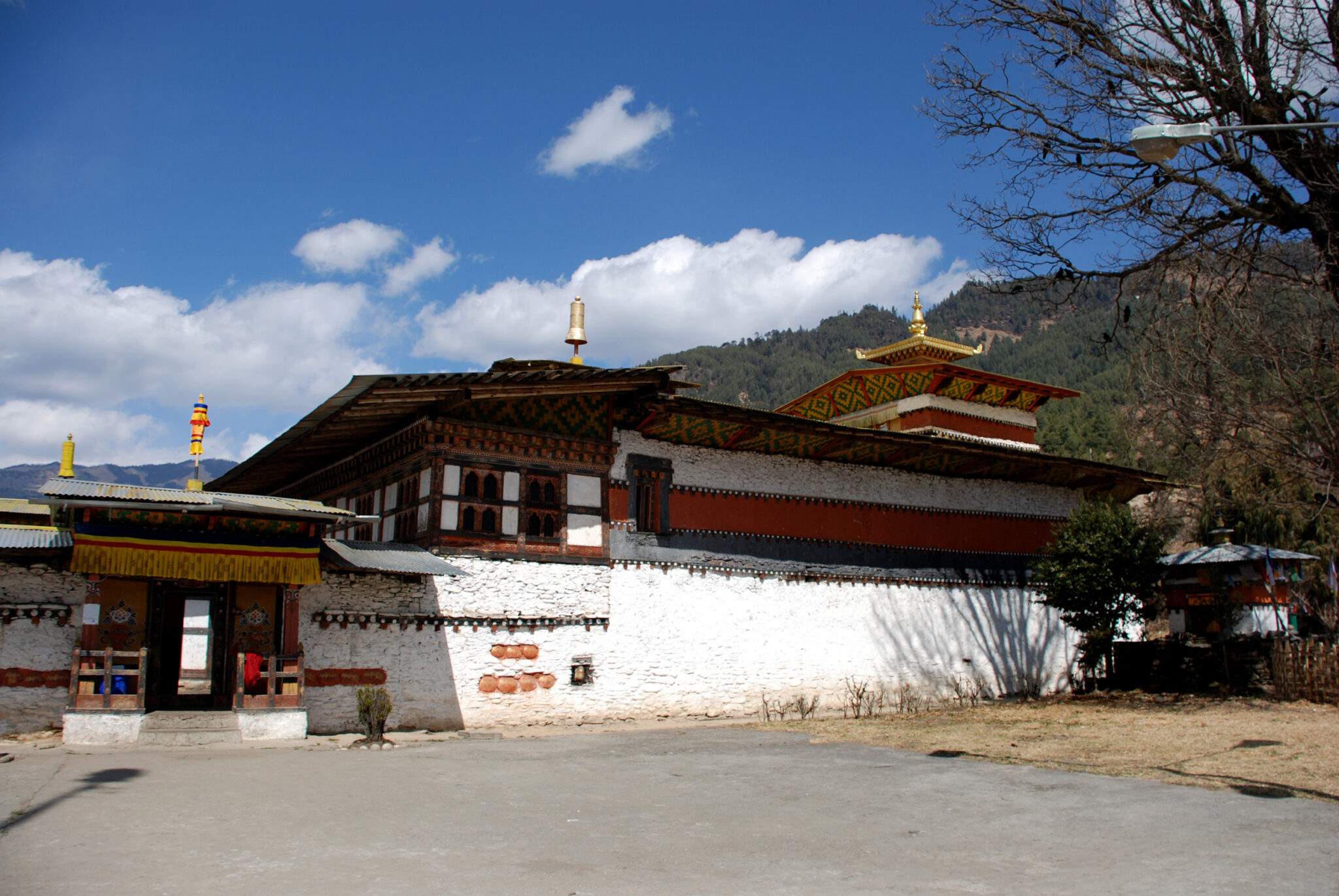
Jambay Lhakhang, located in Bumthang, is one of the oldest and most sacred temples in Bhutan. It is believed to have been built in the 7th century by the Tibetan King Songtsen Gampo, as part of his grand mission to construct 108 temples across the Himalayas in a single day to subdue evil spirits. Dedicated to Maitreya, the Buddha of the Future, Jambay Lhakhang holds immense spiritual significance and remains a major pilgrimage site for Bhutanese Buddhists.

Kurjey Lhakhang, nestled in the scenic Bumthang Valley, is one of Bhutan’s most sacred monasteries. The name Kurjey means “body imprint,” referring to the imprint of Guru Rinpoche (Padmasambhava) that is preserved in a cave within the temple complex. It is believed that Guru Rinpoche meditated here in the 8th century to subdue local spirits and spread Buddhism across Bhutan.


WHEN TO VISIT BUMTHANG


🌸 Spring (March – May)

  • Warm days with clear skies and blooming flowers.

  • Ideal for sightseeing, hikes, and monastery visits.

  • Pleasant weather (10–20°C).

🍂 Autumn (September – November)Most Popular

  • Crisp air and excellent mountain views.

  • Major cultural festivals like Jambay Lhakhang Drup and Tamzhing Phala Choepa take place.

  • Comfortable temperatures (8–18°C).

  • Best season for both culture and scenery.

☀️ Summer (June – August)

  • Lush green valleys during monsoon, but expect rain showers.

  • Fewer tourists, making it quieter.

  • Some trekking routes may be muddy or leech-prone.

❄️ Winter (December – February)

  • Cold (often below 0°C at night), but clear skies.

  • Fewer visitors and peaceful monasteries.

  • Great time if you enjoy solitude and winter landscapes.