HIDDEN GEMS OF PUNAKHA
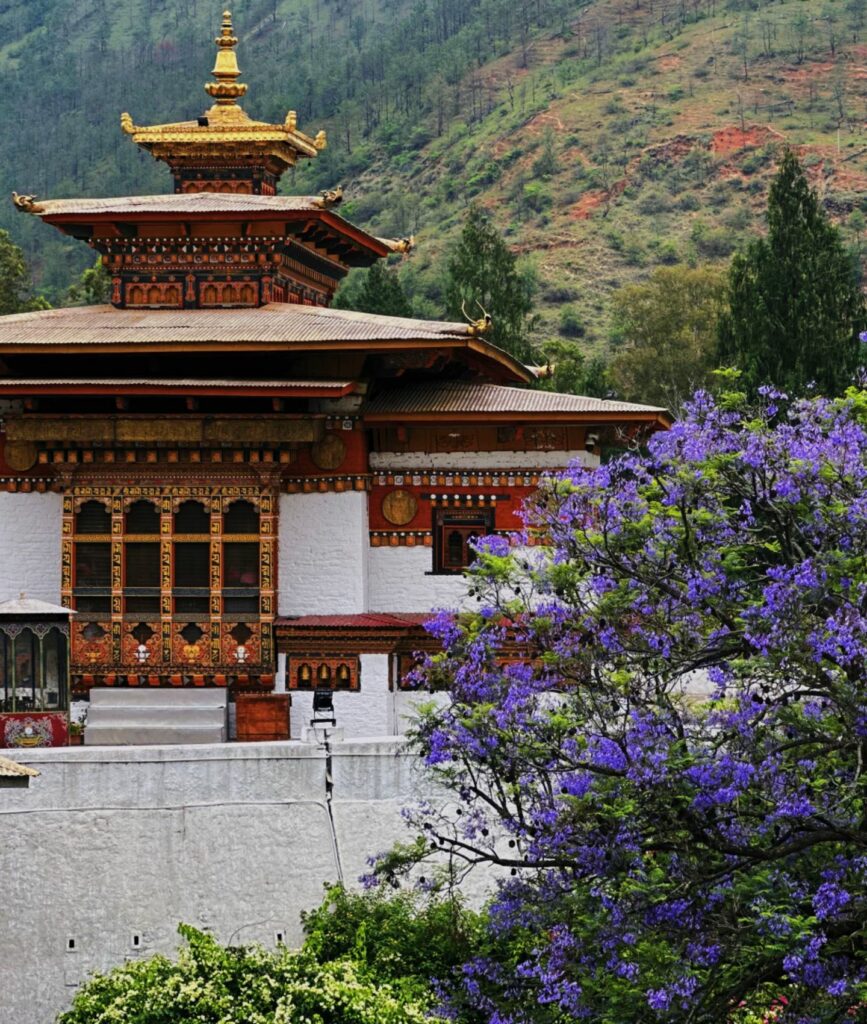
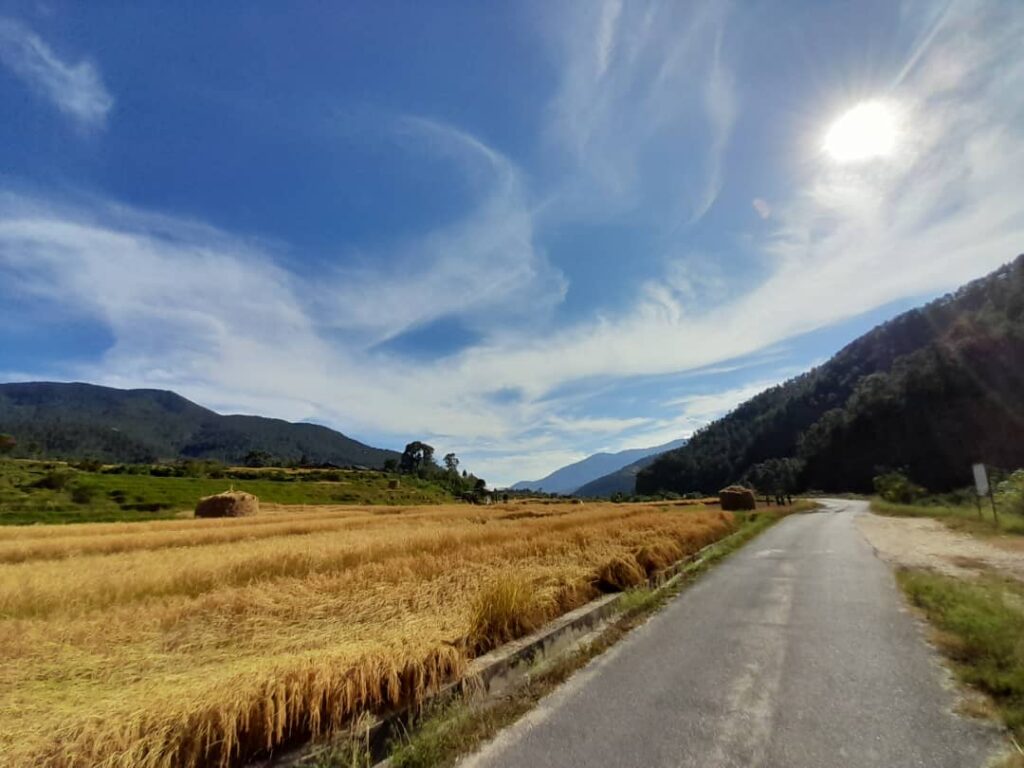
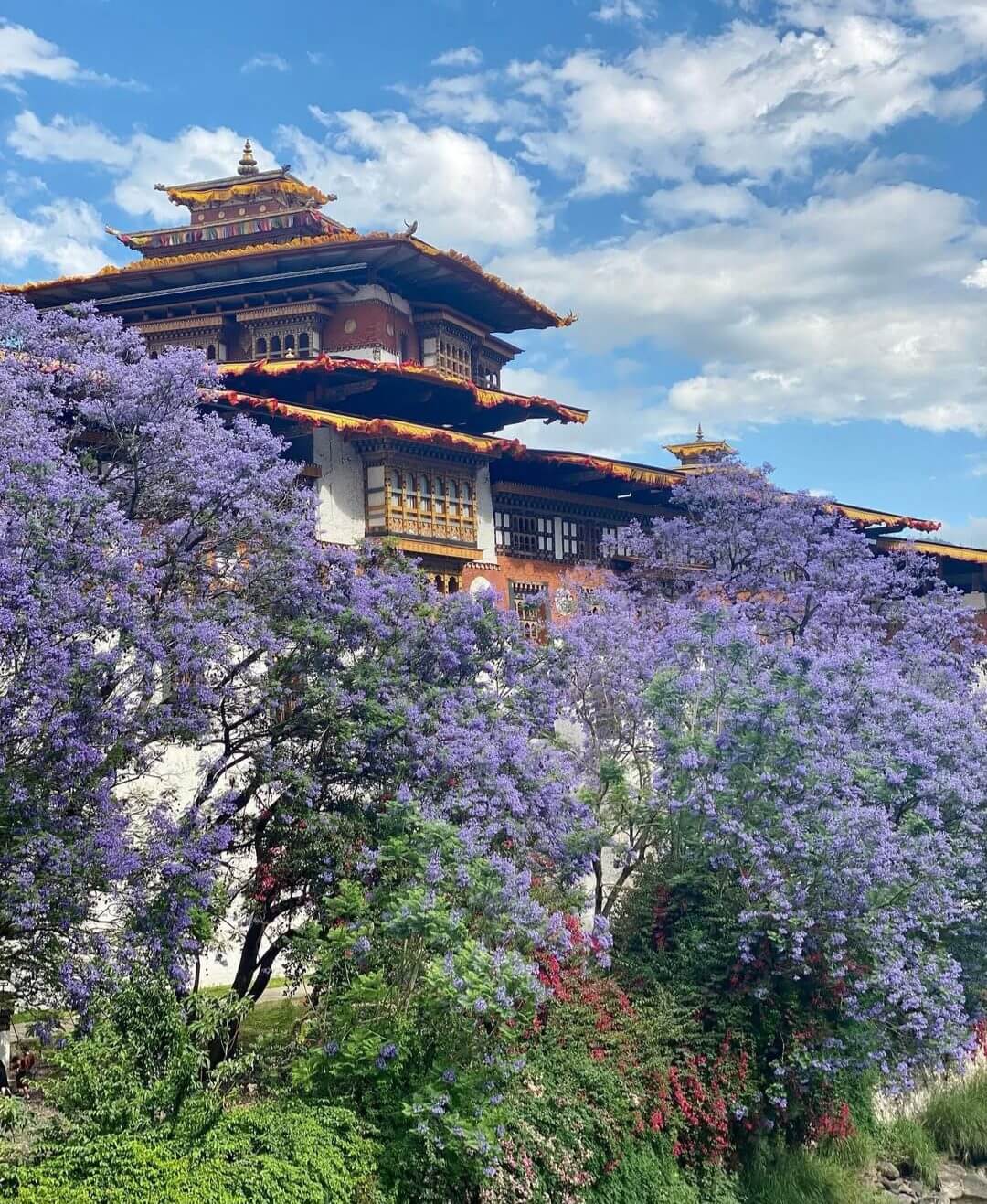
Punakha Dzong, also known as Pungthang Dewachen Phodrang (Palace of Great Happiness), is one of Bhutan’s most iconic landmarks. Built in 1637–38 by Zhabdrung Ngawang Namgyal, it is the second-oldest and second-largest dzong in the country, yet regarded as the most beautiful. The fortress sits majestically at the confluence of the Pho Chhu (Male River) and Mo Chhu (Female River), creating a breathtaking setting that adds to its spiritual aura.
The dzong is also home to sacred relics of the Drukpa Lineage, including the remains of Zhabdrung Ngawang Namgyal, the unifier of Bhutan, making it one of the most revered sites in the country. Its architecture is a fine example of traditional Bhutanese craftsmanship, with towering whitewashed walls, intricate wooden carvings, and golden roofs. In spring, the surrounding courtyards are adorned with blooming jacaranda trees, creating a stunning violet backdrop.
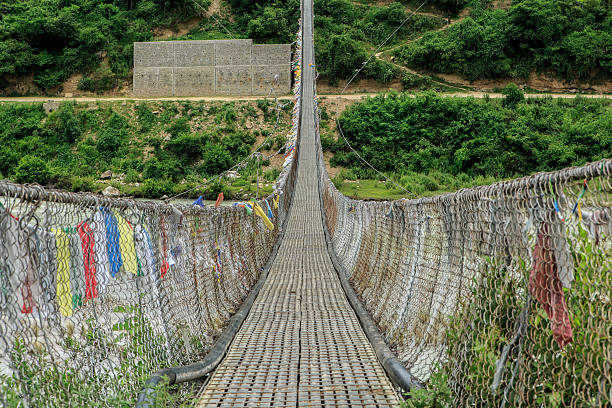
The Punakha Suspension Bridge is one of the longest and most picturesque bridges in Bhutan, stretching gracefully across the Pho Chhu River. Just a short walk from Punakha Dzong, this traditional iron-chain bridge connects local villages and serves as an important pathway for residents.
For visitors, crossing the bridge is an unforgettable experience. Colorful prayer flags flutter in the wind, carrying blessings across the valley, while breathtaking views of lush rice fields, rolling hills, and the flowing river unfold on either side. The gentle swaying of the bridge adds a touch of adventure, making it a favorite spot for photography and quiet reflection.
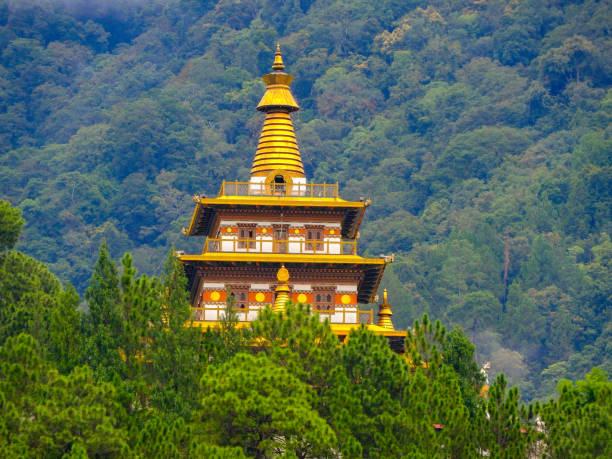
Khamsum Yulley Namgyel Chorten is a magnificent stupa built in 2004 by the Queen Mother of Bhutan to bring peace and harmony to the world. Standing proudly on a hilltop overlooking the Punakha Valley, it showcases Bhutanese craftsmanship through its detailed paintings and spiritual symbolism, making it both a sacred site and an architectural marvel.
Reaching the chorten is part of the adventure. Visitors cross a suspension bridge and hike through rice terraces and pine forests before being rewarded with panoramic views of the valley and distant Himalayan peaks. It is a perfect blend of spirituality, culture, and natural beauty, offering travelers a peaceful and unforgettable experience.
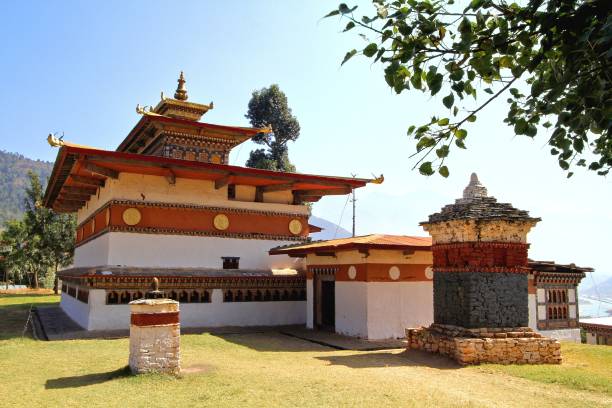
Chimi Lhakhang, also known as the Temple of Fertility, is one of Punakha’s most unique and revered sites. Built in 1499 by the 14th Drukpa hierarch, Ngawang Chogyal, the temple is dedicated to Lama Drukpa Kunley—popularly known as the “Divine Madman.” Famous for his unconventional teachings and use of humor, songs, and symbolism, Lama Drukpa Kunley is remembered for subduing a powerful demon at the site where the temple now stands.
Today, Chimi Lhakhang is visited by couples from Bhutan and beyond who seek blessings of fertility and happiness. The temple is adorned with distinctive phallic symbols, believed to ward off evil and bring good fortune. A short walk through traditional villages and rice fields leads to this peaceful monastery, offering travelers not only spiritual blessings but also a glimpse into Bhutanese rural life and culture.
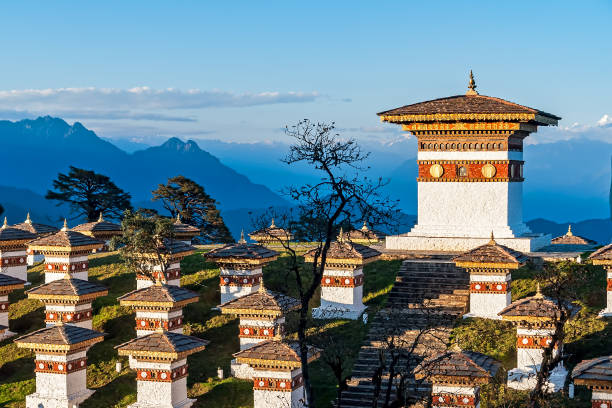
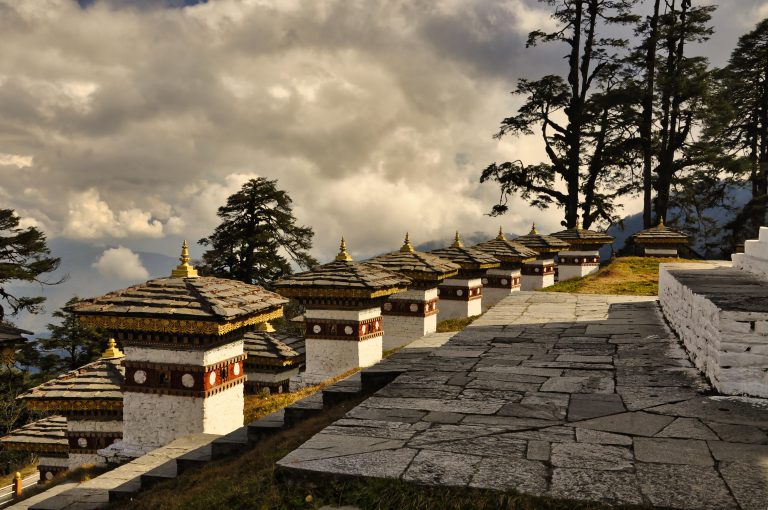
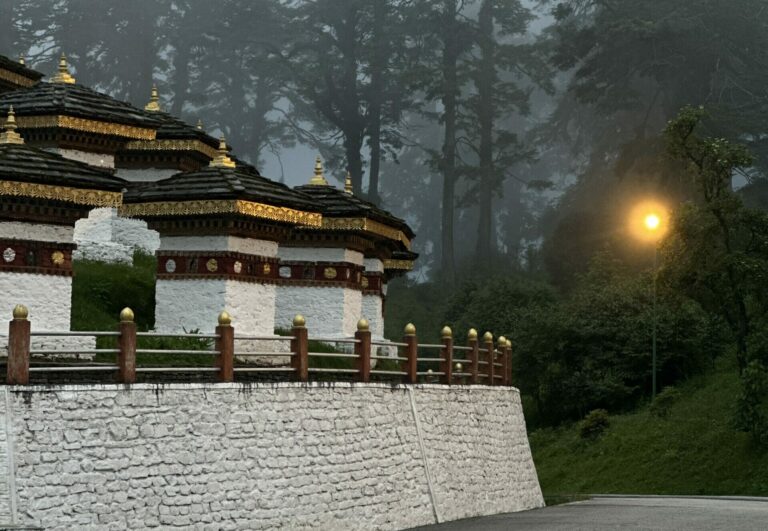
Dochula Pass, sitting at 3,100 meters on the road between Thimphu and Punakha, is one of Bhutan’s most breathtaking viewpoints. The pass is adorned with 108 chortens, known as the Druk Wangyal Chortens, built in honor of fallen Bhutanese soldiers. On clear days, it offers sweeping views of the snow-capped eastern Himalayas, making it a favorite stop for travelers.
Beyond its stunning scenery, Dochula also holds cultural and spiritual value. The Druk Wangyal Lhakhang temple nearby features beautiful murals that reflect Bhutan’s history and vision. Whether covered in winter snow or alive with mountain blooms, Dochula Pass perfectly blends natural beauty with deep serenity..