Location: 10 km (6 miles) north of Paro, Bhutan.
From Paro: 30 minutes by car.
From Thimphu: 1.5 hours by car.
Stunning views of the Paro Valley and Iron Bridge built by Thangtong Gyalpo.
A peaceful place for reflection and exploring Bhutanese culture.
Location: 14 km (8.5 miles) north of Thimphu, Bhutan.
From Thimphu: 30-40 minutes by car till base and short hike (1-1.5 hours) to reach the monastery.
A peaceful, hilltop monastery with stunning views of the Thimphu Valley.
Location: 14 km (8.5 miles) north of Thimphu, Bhutan.
From Thimphu: 30-40 minutes by car till base and short hike (1-1.5 hours) to reach the monastery.
A peaceful, hilltop monastery with stunning views of the Thimphu Valley.
Location: 15 km (9 miles) north of Thimphu, Bhutan.
From Thimphu: 30–40 minutes by car.
Highlights: Founded in 1620 by Zhabdrung Ngawang Namgyal, Bhutan’s first monastery. Scenic hike through forested hills with views of Thimphu Valley.
Experience: Peaceful spot for meditation, reflection, and exploring Bhutan’s spiritual heritage.
Location: 5 km (3 miles) north of Paro, Bhutan.
From Paro: 15 minutes by car.
Highlights: One of Bhutan’s oldest temples, built in the 7th century by King Songtsen Gampo. Houses sacred relics and beautiful statues, surrounded by prayer wheels and orange trees.
Experience: A holy site for pilgrims and a serene place to experience Bhutan’s deep spiritual traditions.
Location: 14 km (8.5 miles) north of Thimphu, Bhutan.
From Thimphu: 30-40 minutes by car till base and short hike (1-1.5 hours) to reach the monastery.
A peaceful, hilltop monastery with stunning views of the Thimphu Valley.
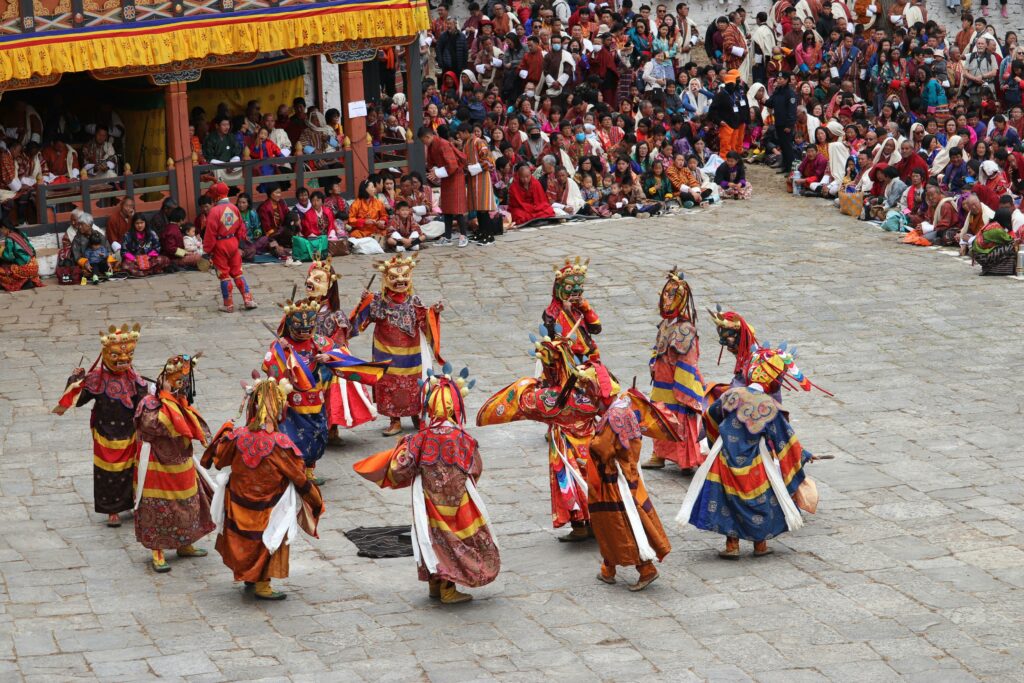
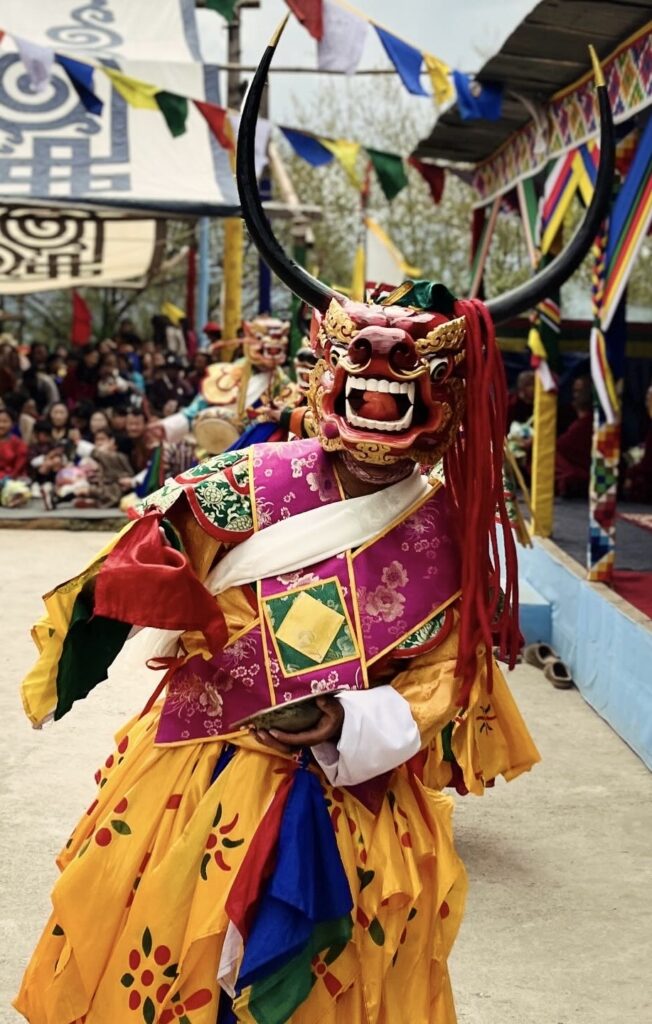
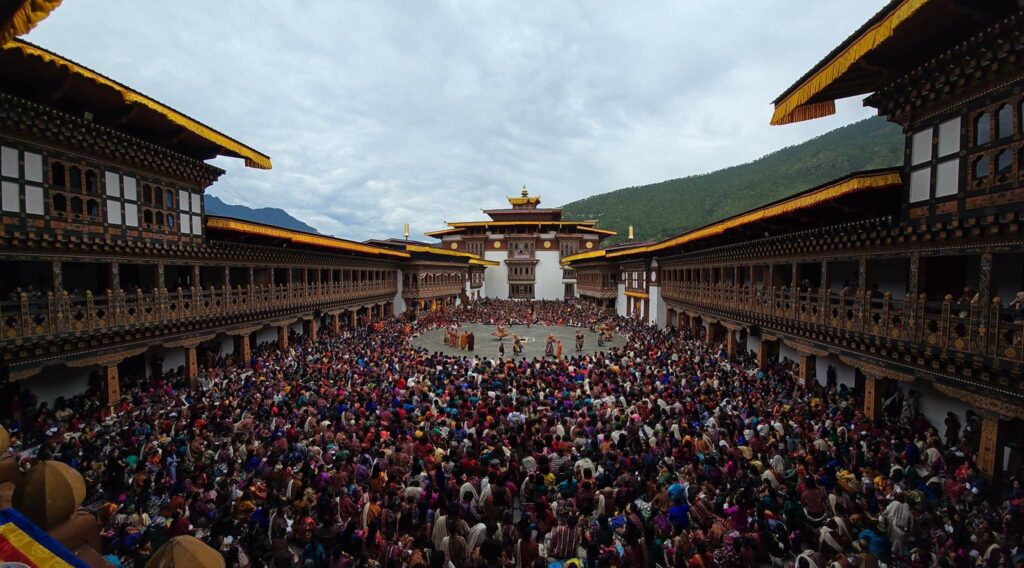
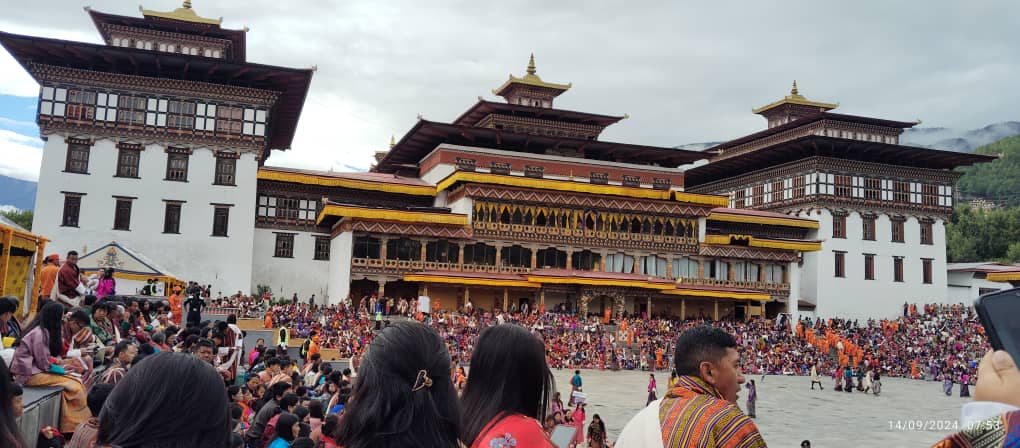
Tshechus are the major religious & cultural festivals in Bhutan — they are mask‐dance festivals held in each district (dzongkhag) on auspicious dates in the Bhutanese (lunar) calendar.
Tshechus are held throughout the year, but the major clustering of big, widely attended ones is in the spring (roughly March-May) and autumn (roughly September-November).
The dates vary each year, because they it follows the Bhutanese lunar calendar.
Bhutan’s traditional arts and crafts, known collectively as Zorig Chusum (the Thirteen Arts), are a vital expression of its cultural and spiritual heritage. These include painting, sculpture, wood and slate carving, bamboo work, weaving, embroidery, blacksmithing, jewelry-making, papermaking, masonry, and pottery, each deeply rooted in Buddhist values and daily life. From the intricate hand-woven textiles and vibrant temple murals to finely crafted wooden bowls and handmade paper, these skills reflect Bhutan’s harmony with nature and devotion to spirituality. Preserved through generations and taught at institutions like the National Institute for Zorig Chusum, these crafts remain a living tradition, offering visitors a unique glimpse into Bhutan’s identity and artistry.
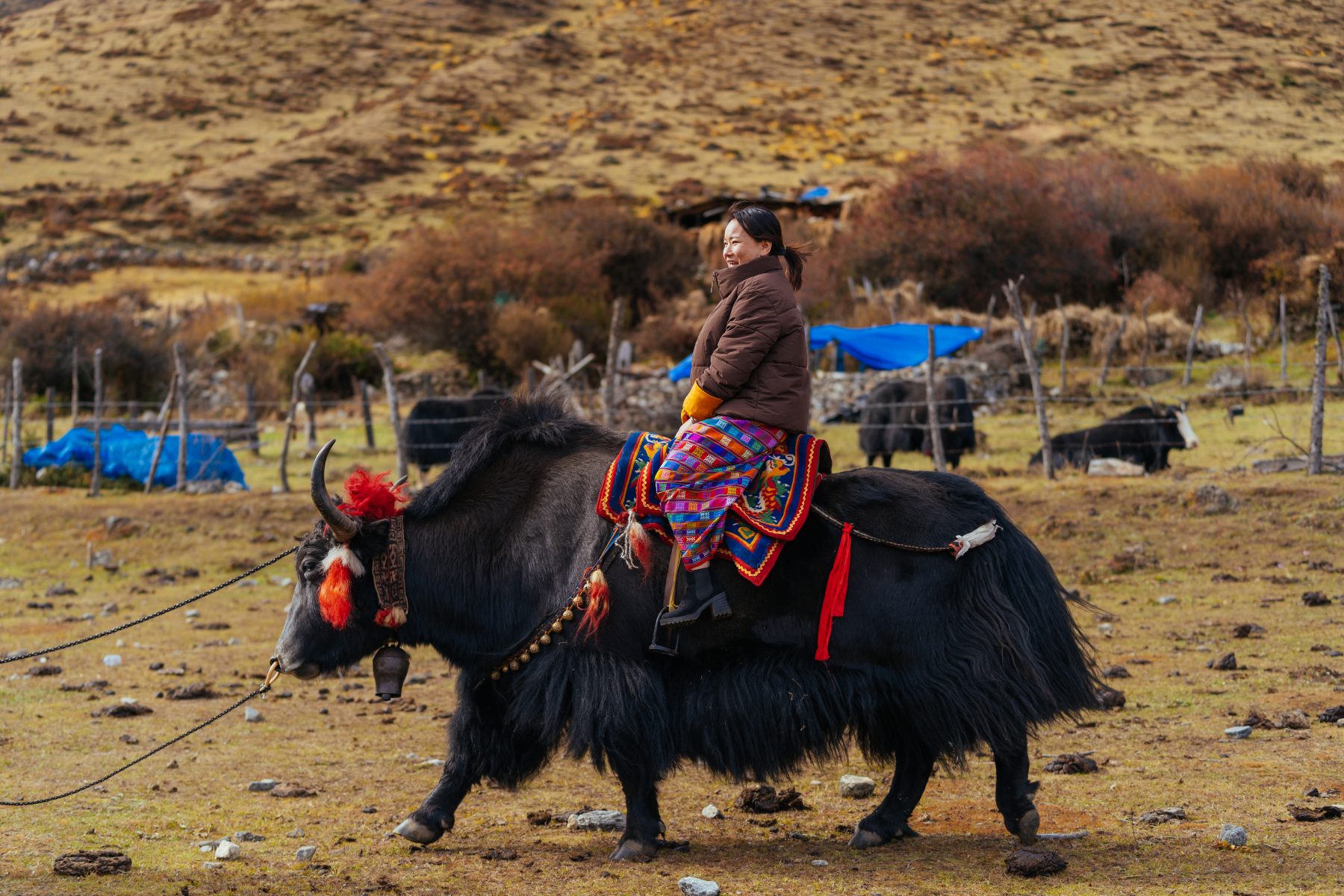
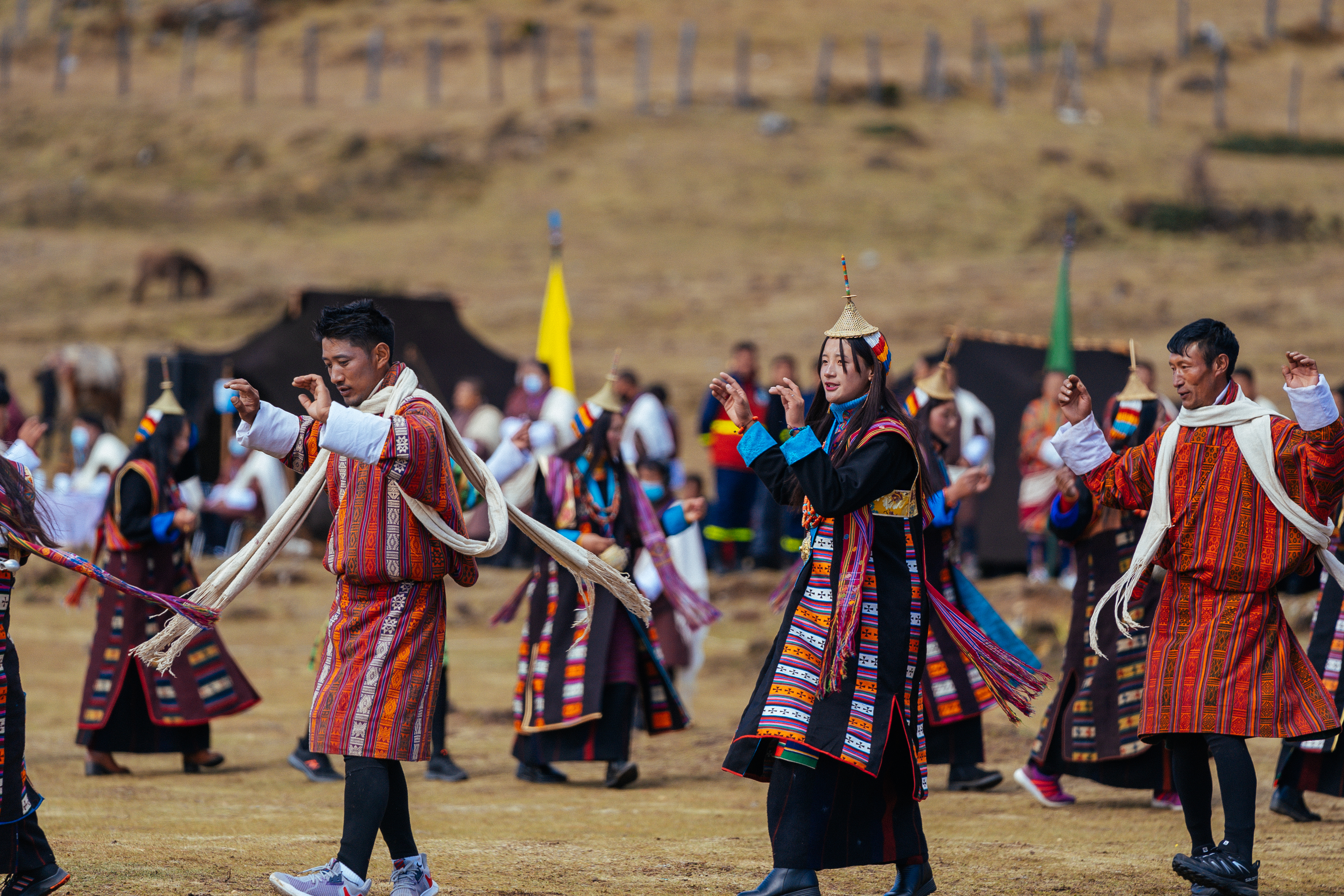
Introduced in 2016 under the Royal initiative, the Royal Highland Festival celebrates the unique life and traditions of Bhutan’s highland communities. Held in the remote village of Laya, this colorful event brings together yak herders, nomadic families, and visitors from across Bhutan and beyond.
Location: Laya village, Gasa District (Northern Bhutan)
Time: Every October (annual two-day event).
Highlights for Visitors.
Yak Competitions – Showcasing the strength, beauty, and cultural importance of Bhutan’s highland yaks.
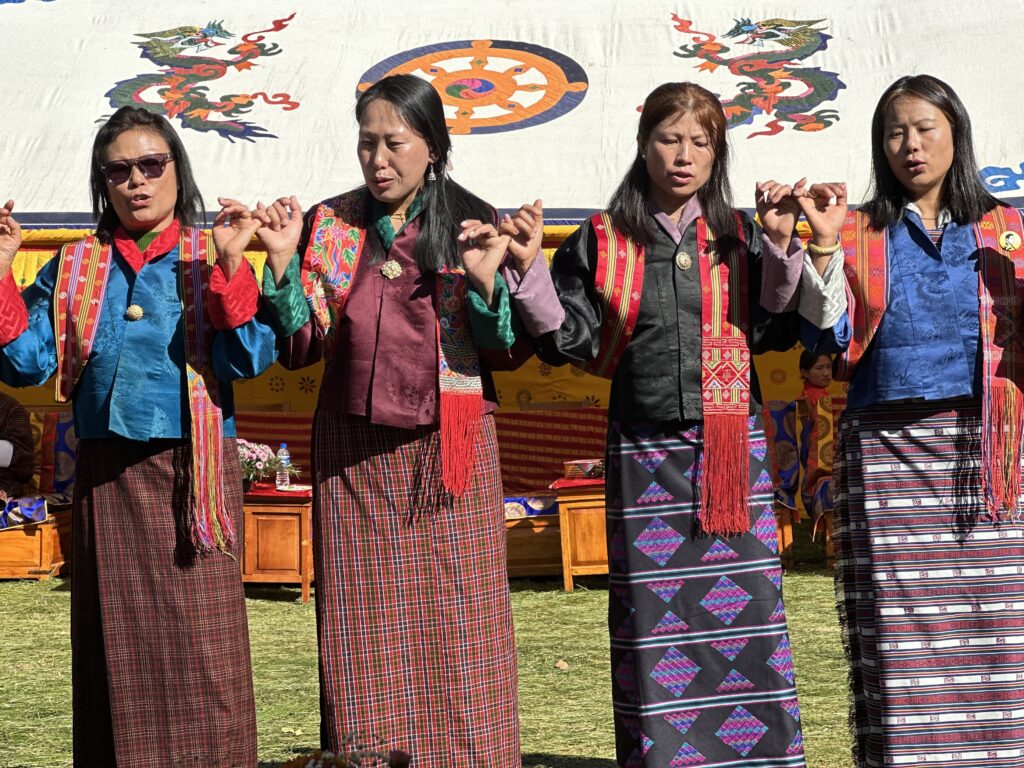
Cultural Performances – Highland songs, dances, and rituals performed by Layap people.
Scenic Location – Surrounded by snow-capped peaks of the Himalayas, offering one of the most breathtaking festival backdrops in the world.
Highland Crafts & Cuisine – Local textiles, yak-based products, and unique highland dishes.
Mobile: +975-1111111 / +975-11111111 | Email: thewhitecloudadventure@gmail.com
© 2025 The White Cloud Adventure | All Rights Reserved